

Middle East Air Travel Chaos Leaves Thousands Stranded
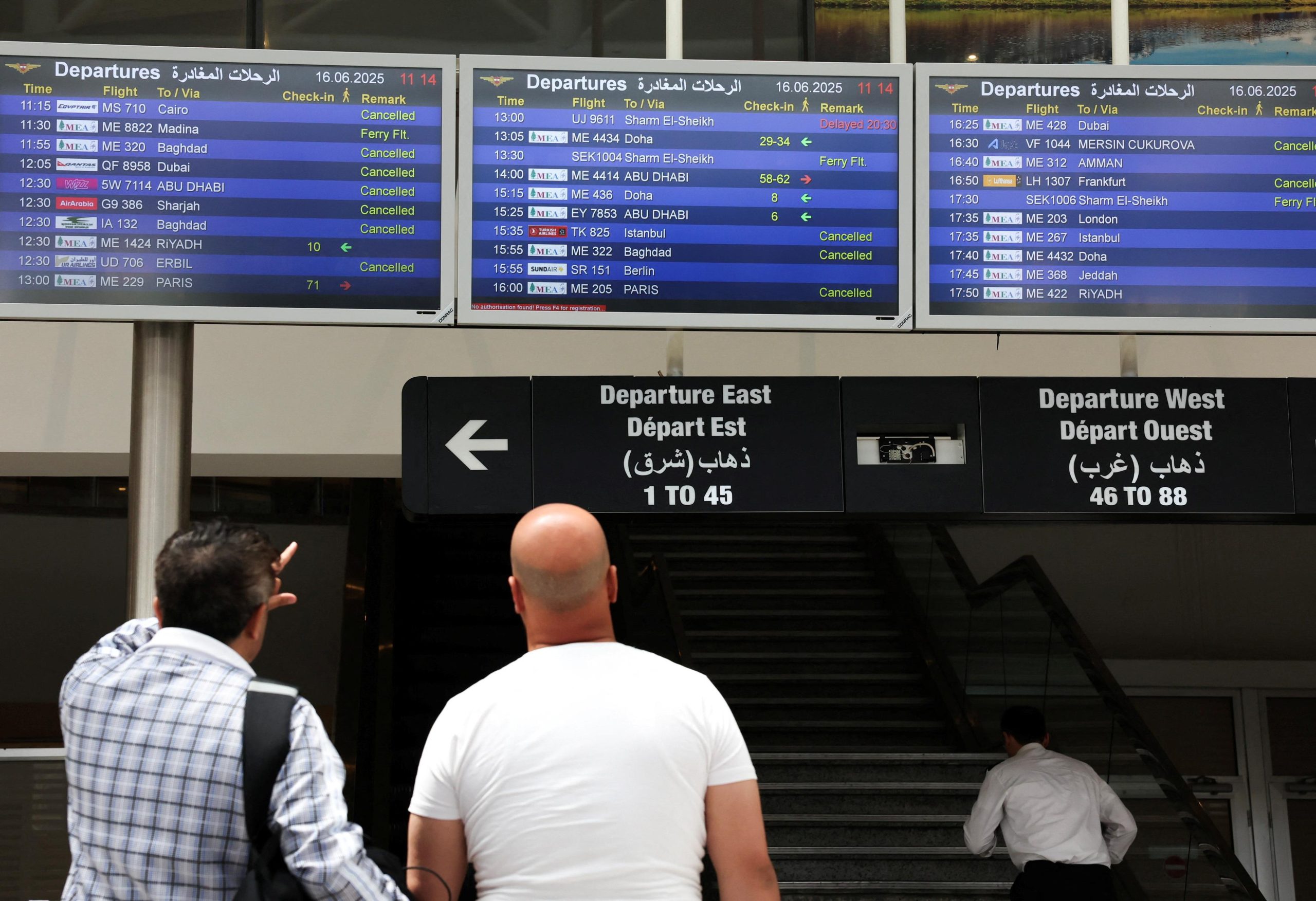
Thousands of travellers have been left stranded across the Middle East after a wave of flight disruptions swept through the region, triggering widespread cancellations and delays at major international hubs.
Airlines and aviation authorities confirmed that more than 246 flights were cancelled and over 1,475 delayed, as escalating regional tensions forced sudden airspace restrictions and operational changes. The disruption has impacted key aviation markets including Saudi Arabia, United Arab Emirates, Qatar, Bahrain, and Israel.
Major global carriers such as Emirates, EgyptAir, Gulf Air, and Saudia have all been affected, with aircraft grounded, rerouted, or delayed due to safety concerns and restricted flight paths.
Key aviation hubs—including Dubai International Airport, King Abdulaziz International Airport, King Khalid International Airport, and Cairo International Airport—have been overwhelmed by stranded passengers facing long queues, rebooking challenges, and limited accommodation options.
Airport terminals have seen scenes of frustration, with travellers scrambling for alternative routes as airlines struggle to manage the backlog. Many passengers report waiting hours for updates, while others have been forced to seek last-minute hotel stays amid surging demand.
Aviation experts say the situation highlights the fragility of global air travel networks, particularly in regions prone to geopolitical instability. Even short-term airspace closures can ripple across continents, disrupting long-haul connections between Europe, Asia, and Africa.
Authorities are urging passengers to check with airlines before heading to the airport, as schedules remain highly fluid. While some airspace has begun to reopen, officials warn that delays and cancellations could continue in the coming days as airlines work to reposition aircraft and crews.