BREAKING: Middle East Airspace Reopens After U.S.-Backed Ceasefire — Travel Chaos Sweeps Across UAE, Qatar & Egypt
A fragile calm has returned to the skies over the Middle East after the United States announced a 5-day ceasefire agreement, prompting authorities across the region to reopen previously restricted airspace.
Major aviation hubs in the United Arab Emirates, Qatar, and Egypt have resumed operations—but the sudden shift has unleashed massive travel disruption, as thousands of passengers scramble to leave or continue delayed journeys.
Airports Overwhelmed
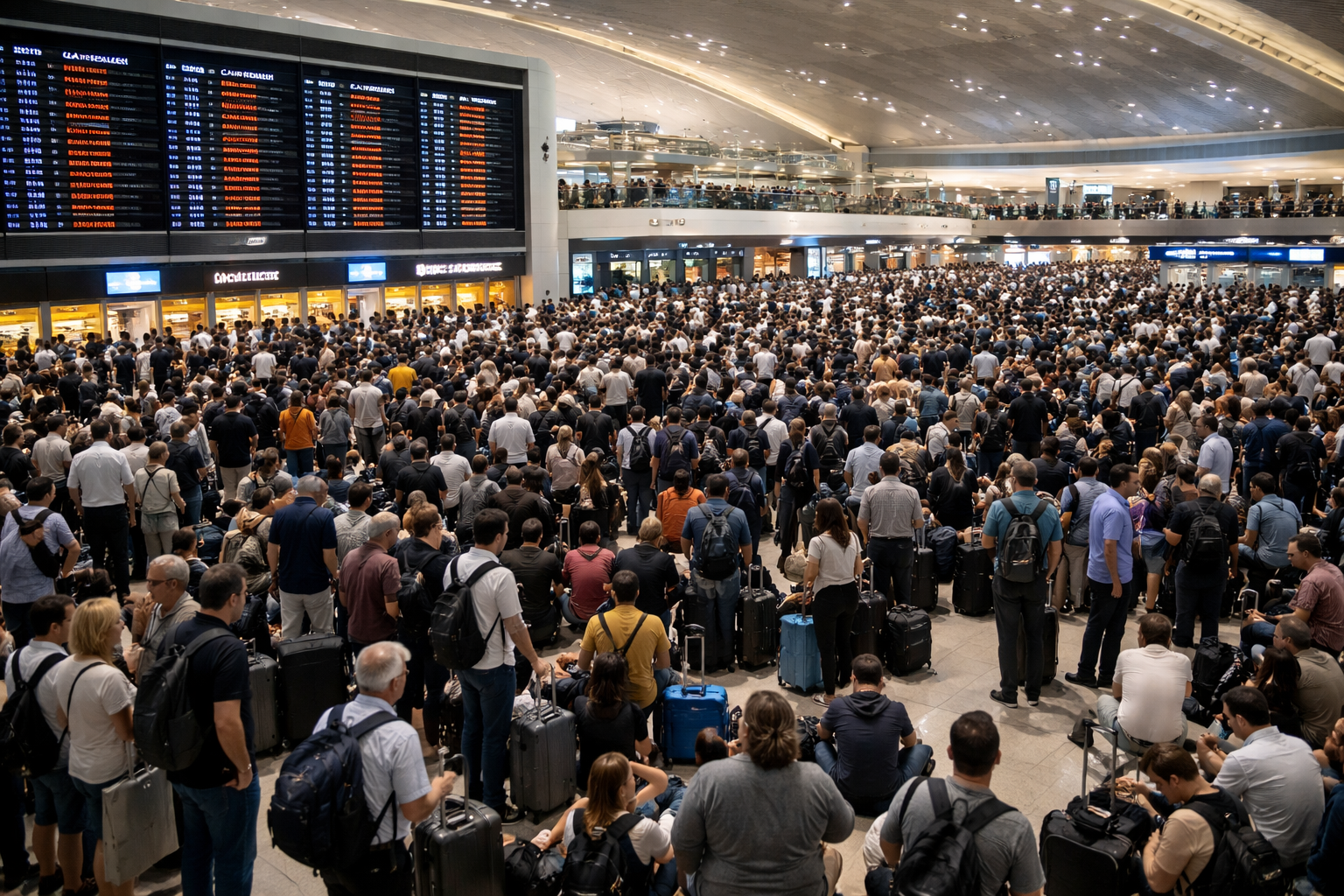
Key transit airports including Dubai International Airport, Hamad International Airport, and Cairo International Airport are facing unprecedented congestion.
Scenes inside terminals show:
- Long queues at check-in counters
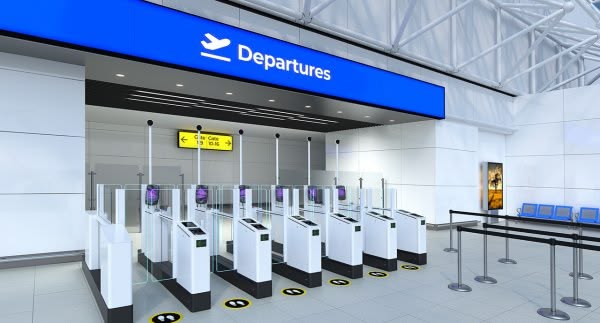
- Overcrowded departure halls
- Limited seat availability on outbound flights
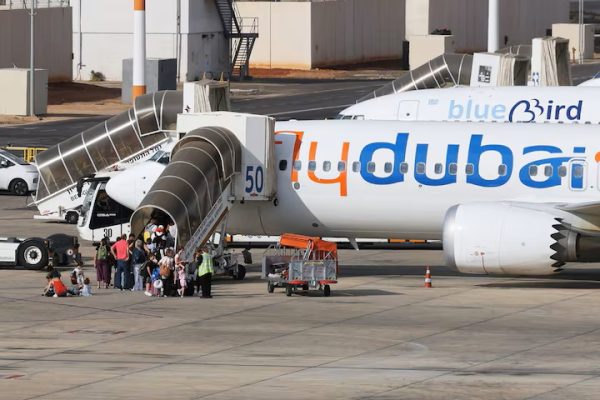
- Passengers rushing to rebook canceled or diverted flights
Airlines are working around the clock to reposition aircraft and crews after days of disruption caused by heightened regional tensions.
Airlines Race to Restore Schedules
Major carriers including Emirates, Qatar Airways, and EgyptAir have begun gradually restoring routes, but warn that delays and cancellations will persist over the coming days.
Aircraft that were diverted or grounded must now be repositioned, creating a ripple effect across global flight networks.
Why the Chaos?
The sudden reopening triggered:
- A surge of stranded passengers trying to leave the region
- Rebooking pressure on already full flights
- Crew and aircraft imbalances
- Ongoing security precautions limiting full capacity
Travel experts say the next 48–72 hours will be critical as airlines attempt to stabilize operations.
What Travelers Should Do
Passengers traveling through the region are advised to:
- Check flight status directly with airlines before heading to the airport
- Arrive earlier than usual
- Expect delays and last-minute gate changes
- Consider flexible rebooking options
The Bigger Picture
While the ceasefire has brought temporary relief, the situation remains fluid. Aviation authorities are closely monitoring developments, and any escalation could once again disrupt one of the world’s busiest air corridors.
For now, the skies are open—but the aftershock of disruption is just beginning.