Delta Air Lines Flat-Bed A321neo Delayed Until 2028
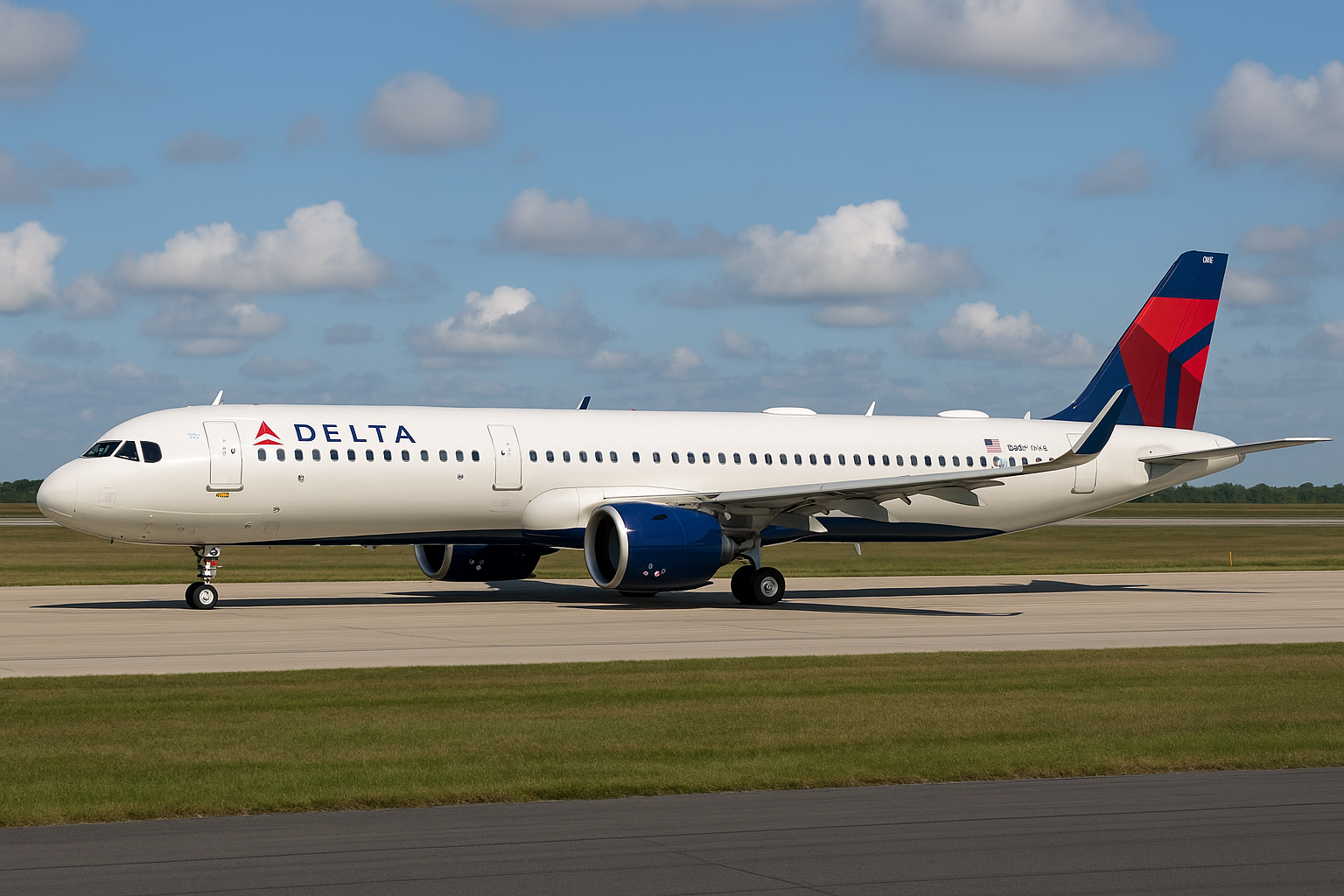
Delta Air Lines passengers hoping to experience the airline’s long-awaited flat-bed Airbus A321neo cabins will now have to wait significantly longer than expected, with the premium narrowbody aircraft reportedly delayed until at least 2028.
The aircraft were originally expected to enter service in late 2024 and were set to become a major part of Delta’s premium domestic strategy, particularly on high-demand transcontinental routes such as New York to Los Angeles and Boston to San Francisco. However, ongoing certification issues involving the new business class seats have pushed the program years behind schedule.
Delta plans to operate a dedicated subfleet of 21 specially configured Airbus A321neos featuring just 148 seats — far fewer than the standard layout. The aircraft are expected to include 16 fully flat Delta One suites with privacy doors, 12 Premium Select seats, 54 Comfort+ seats, and 66 economy seats.
The delay is reportedly linked to certification challenges involving the new Safran VUE business class seats that Delta selected for the aircraft. While the airline has already taken delivery of some of the jets, they have not entered service with their intended premium interiors. Instead, Delta temporarily configured several aircraft with large domestic first-class cabins while waiting for certification approval.
According to recent comments from Delta Chief Commercial Officer Joe Esposito, the flat-bed product is now expected to arrive “in a couple of years,” effectively shifting entry into service to sometime in 2028.
The setback highlights wider certification and supply chain challenges affecting airlines and seat manufacturers across the aviation industry. Certification delays for next-generation premium seats have become increasingly common, especially as airlines push for more complex suite designs with doors, wireless charging, and enhanced privacy features.
For Delta, the delay also means its aging Boeing 757 and Boeing 767 fleets will likely remain on premium domestic routes longer than originally planned. The airline has historically relied on those aircraft for transcontinental services but has been working toward replacing them with more fuel-efficient narrowbody jets.
Despite the delay, Delta continues to heavily invest in the Airbus A321neo platform. The airline recently expanded its A321neo orderbook, reinforcing the aircraft’s role as a key part of its future fleet strategy.