

Rising Fuel Costs Could Push Airfares Higher as Airlines Consider Flight Cuts
Flytechnews | Aviation Industry News
Airline passengers could face more expensive tickets and fewer flight options as rising jet fuel prices put increasing pressure on airlines worldwide.
The latest warning comes as major US carriers, including American Airlines, Delta Air Lines and United Airlines, struggle to absorb soaring fuel expenses. According to Reuters, airlines are adjusting their financial expectations and reconsidering flight schedules as fuel costs outpace some of the gains generated by higher ticket prices. Read the Reuters report.
Higher costs put pressure on ticket prices
Jet fuel is one of the aviation industry’s largest operating expenses. When fuel prices increase sharply, airlines must decide whether to absorb the additional costs, raise fares, introduce surcharges or reduce services on routes that are no longer profitable.
Passengers may therefore find that tickets become more expensive, particularly on routes where airlines have limited competition or fewer available seats.
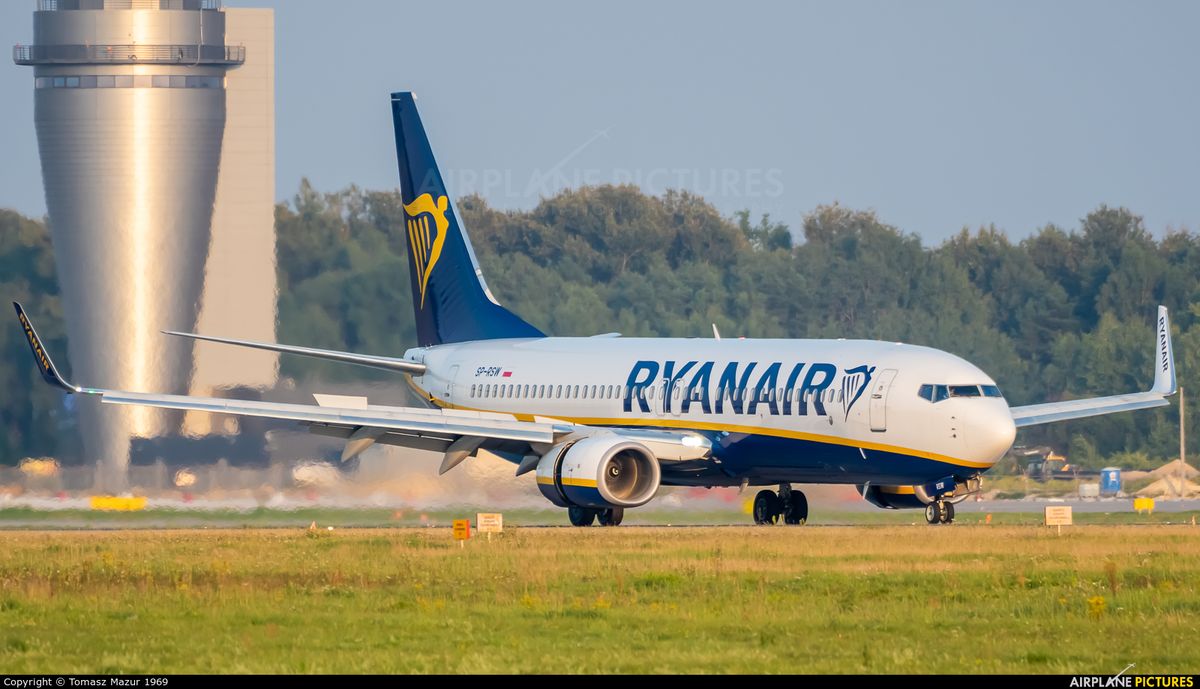
The impact could extend into 2027. Ryanair chief executive Michael O’Leary has forecast that European airfares could rise by between 10% and 20% over the next 12 months if fuel costs remain elevated. This is an industry forecast rather than a confirmed increase across all European airlines. Source: The Guardian.
Fewer flights could become a reality
Higher operating costs are also forcing airlines to reconsider their capacity plans. Carriers may reduce frequencies, postpone expansion or suspend routes that fail to generate sufficient returns.
For travellers, this could mean fewer departure times, less flexibility when booking and increased competition for seats on popular services.
American Airlines has indicated that its network growth in 2027 is expected to slow compared with 2026 levels, reflecting the pressure created by elevated fuel prices.
What does this mean for South African travellers?
Although the latest warnings have focused heavily on the United States and Europe, developments in global fuel markets matter to the wider aviation industry, including airlines operating in South Africa.
The extent of the impact will depend on international fuel prices, exchange-rate movements, airline fuel-hedging arrangements, competition and local operating costs.
South African travellers planning international holidays or regional business trips may want to compare fares early, consider alternative travel dates and monitor airline announcements. However, higher prices or reduced frequencies should not be assumed for every route.
The outlook for 2027
The aviation industry faces a difficult balancing act: airlines must maintain affordable fares to attract passengers while protecting their businesses from rising costs.
If jet fuel prices remain high, passengers could face continued fare pressure and more selective airline schedules. If costs ease, the impact will depend on how quickly airlines can adjust their pricing and capacity.
Flytechnews will continue monitoring developments across the global aviation industry and their potential implications for travellers in South Africa and beyond.