Middle East Airspace Chaos: Over 100 Flights Cancelled or Delayed, Travelers Stranded in Dubai, Cairo and Riyadh
Travelers across the Middle East faced major disruption this week after dozens of flights were cancelled or delayed at key regional hubs, leaving passengers stranded in Cairo, Dubai, Abu Dhabi, and Riyadh.
According to aviation reports, 54 flights were cancelled and 61 delayed, affecting major carriers including EgyptAir, Etihad Airways, and Saudia.
Regional Airspace Disruptions Ripple Through Global Travel
The disruptions come as airlines navigate rapidly changing airspace restrictions across parts of the Middle East and Asia. Several carriers have been forced to reroute aircraft or temporarily suspend certain routes due to safety concerns and restricted flight corridors.
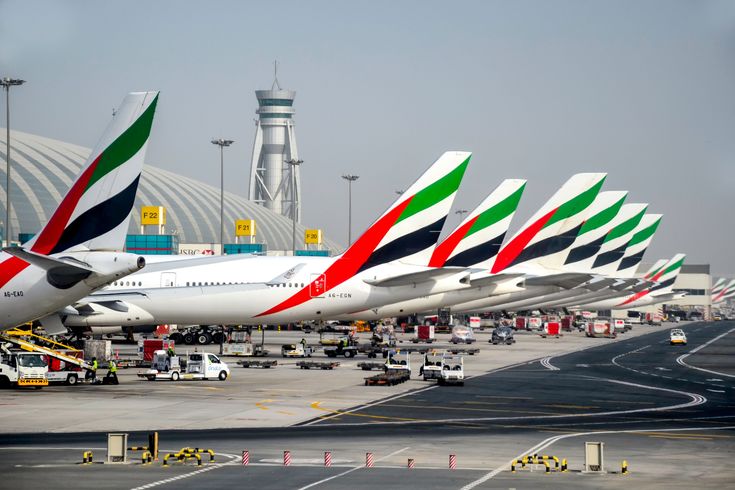
These changes have created a ripple effect across some of the region’s busiest airports, including Dubai International Airport, Zayed International Airport, Cairo International Airport, and King Khalid International Airport.
These hubs serve as critical transit points connecting Europe, Asia, and Africa, meaning even small disruptions can quickly escalate into widespread delays across international flight networks.
Airlines Forced to Reroute and Cancel Flights
Airlines operating in the region have been adjusting schedules as they attempt to avoid restricted airspace. In some cases, flights have been forced to take longer alternative routes, increasing travel time and operational costs.
Passengers traveling between the Gulf region, Europe, and Asia have been among the most affected, with some flights delayed for hours while others were cancelled outright.
Airport terminals across the affected cities saw long queues as travelers attempted to rebook flights or secure alternative travel arrangements.
What Travelers Should Know
Airlines are advising passengers to check their flight status before heading to the airport, as further changes remain possible while the situation continues to evolve.
Many carriers have introduced flexible rebooking options for affected travelers, allowing passengers to reschedule flights without additional fees.
Flytechnews Insight
The Middle East remains one of the world’s most important aviation crossroads. When disruptions hit major hubs like Dubai, Abu Dhabi, Cairo, and Riyadh, the impact is felt across the global aviation network.
With airspace restrictions still shifting, travelers and airlines alike may face continued turbulence in the days ahead.