
Western Sydney International Airport Prepares for First Commercial Flights
Western Sydney International Airport (WSI) is gearing up for a major milestone as it prepares to welcome its first commercial passenger services later this year, while cargo operations are set to begin even sooner.
Low-cost carrier Jetstar Airways will make history on 25 October by operating the airport’s inaugural commercial passenger flight, connecting Western Sydney with the Gold Coast. The airline is also planning an extensive domestic network from WSI, including up to 14 weekly services to Melbourne, three weekly flights to Brisbane, and four weekly flights to the Gold Coast.
Meanwhile, Qantas will launch passenger operations from the airport on 28 March 2027. Through its regional arm, QantasLink, the carrier will operate four weekly flights to both Melbourne and Brisbane using Embraer E190 aircraft.
Before passenger services begin, Qantas will become the first airline to operate cargo flights from WSI. The inaugural freight service is scheduled for 27 July, with the airline planning to move more than 850 tonnes of cargo each week through the new airport. Qantas Group CEO Vanessa Hudson described WSI as a future key hub for the carrier’s freight network.
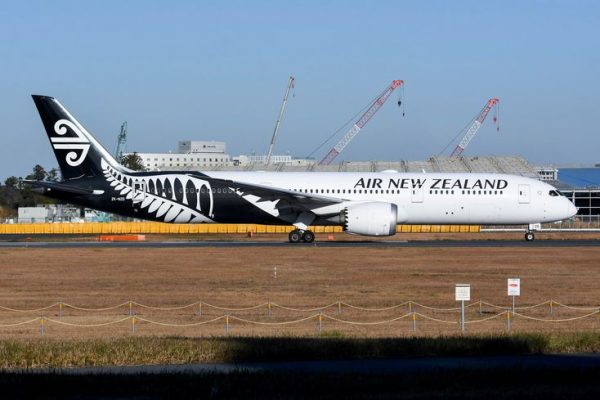
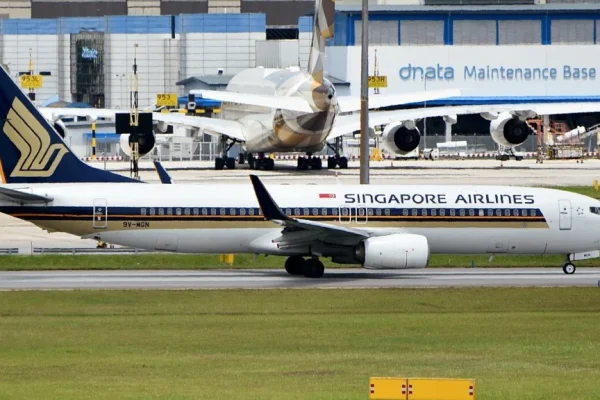
Qantas and Jetstar first announced their commitment to the airport in 2023 and remain the only Australian airlines confirmed to operate there. International connectivity will be provided by Singapore Airlines and Air New Zealand.
Singapore Airlines, the first international airline to commit to WSI, will launch flights to Singapore on 23 November. Air New Zealand is scheduled to begin Auckland services on 26 October. Both carriers will continue serving Sydney Kingsford Smith Airport alongside their new Western Sydney operations.
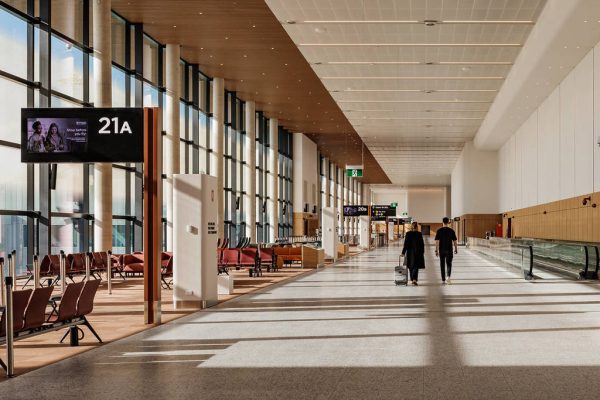
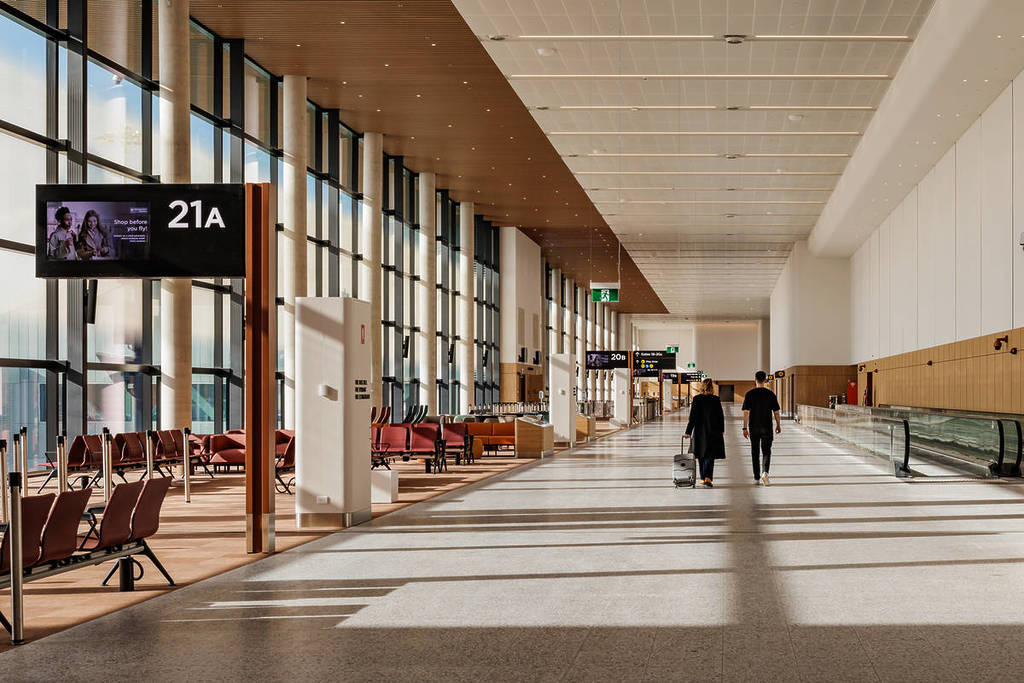
Designed as a 24-hour airport with no curfew restrictions, Western Sydney International is expected to play a significant role in easing pressure on Sydney’s existing airport infrastructure. Once fully operational, the airport’s single-runway facility will have the capacity to handle up to 10 million passengers annually, marking a new chapter in Australia’s aviation landscape.