
Qantas Accelerates Airbus A380 Retirement as Fleet Strategy Shifts
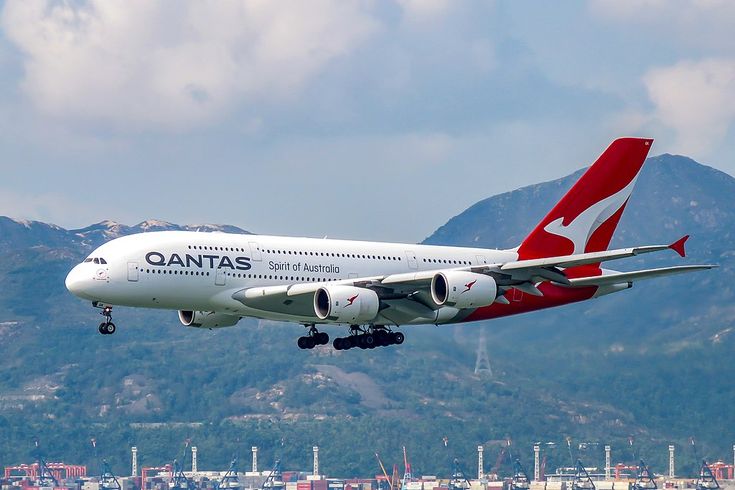
Qantas is bringing forward the retirement of its iconic Airbus A380 fleet, with all remaining superjumbos expected to leave service by mid-2028.
The Australian flag carrier is accelerating its long-term fleet renewal strategy as it prepares for a new generation of more fuel-efficient aircraft.
Qantas had previously planned to operate its A380s for longer, but the airline is now targeting mid-2028 for the retirement of the type. The decision reflects the changing economics of operating four-engine widebody aircraft and the growing capabilities of modern twin-engine jets.
The Airbus A380 has played a major role in Qantas’ international network, particularly on high-demand long-haul routes. Its enormous capacity and distinctive two-deck design made it one of the airline’s flagship aircraft.
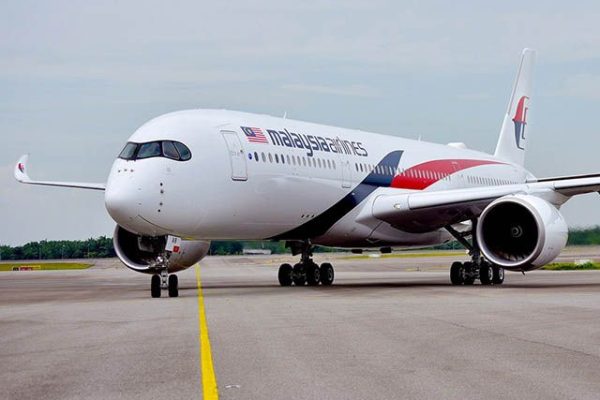
However, newer aircraft such as the Airbus A350 and Boeing 787 Dreamliner offer significantly improved fuel efficiency and greater flexibility, allowing airlines to operate long-haul routes profitably without relying on the enormous capacity of an A380.
Qantas is also considering adding up to 20 more aircraft, potentially comprising additional Airbus A350s and Boeing 787s. Such an expansion would give the airline greater flexibility as it develops its international network and continues its long-haul growth strategy.
The move marks another major chapter in the history of Qantas’ A380 operation. Once the final aircraft retires, the airline will join the growing number of carriers moving away from the superjumbo era in favour of efficient twin-engine widebody aircraft.
For aviation enthusiasts, the accelerated retirement will make the remaining Qantas A380 flights increasingly special, as the iconic aircraft moves closer to the end of its service with the Australian carrier.
The era of the Qantas A380 is entering its final phase — but its legacy in Australian aviation is likely to last for decades.