
Gulf Airspace Thrown Into Turmoil as Bahrain Joins Regional Flight Restrictions Following Iranian Missile Strikes
The Middle East’s aviation sector has been plunged into fresh uncertainty after Bahrain joined the United Arab Emirates, Qatar, and Kuwait in implementing emergency airspace measures following a wave of Iranian missile attacks, triggering widespread flight disruptions across one of the world’s busiest aviation corridors.
Airlines operating through the Gulf have been forced to rapidly reroute flights, delay departures, and suspend services as governments moved to protect civilian aviation amid escalating regional tensions.
Several major airports activated emergency procedures, while airlines scrambled to adjust schedules to avoid restricted airspace. The sudden closures have created ripple effects across global air travel, affecting thousands of passengers connecting through key Gulf hubs.
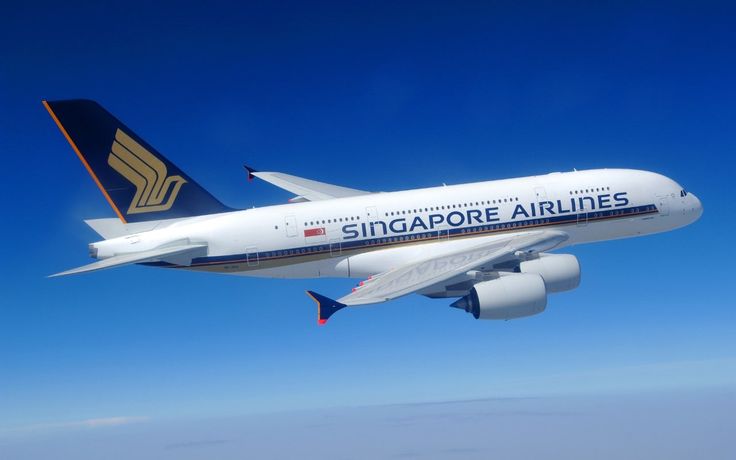
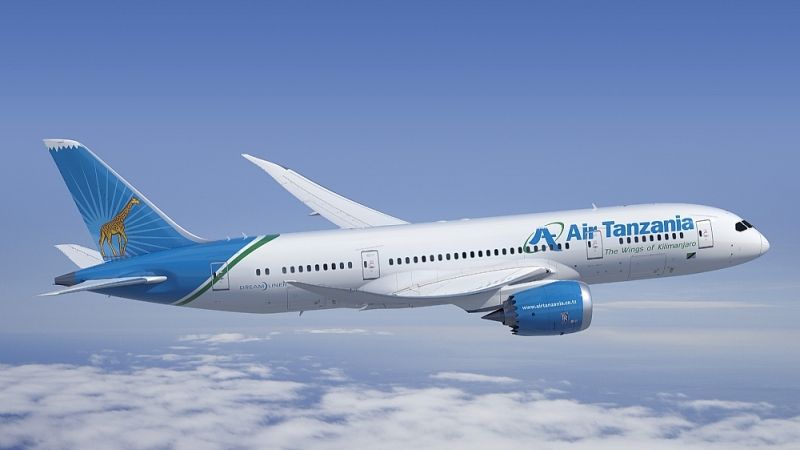
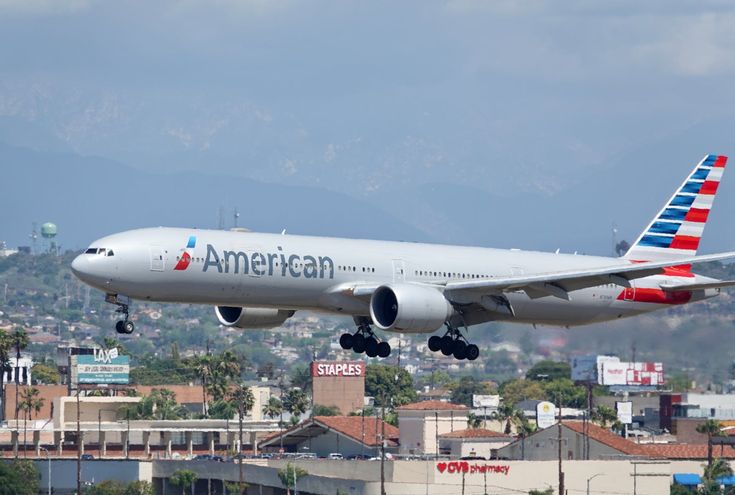
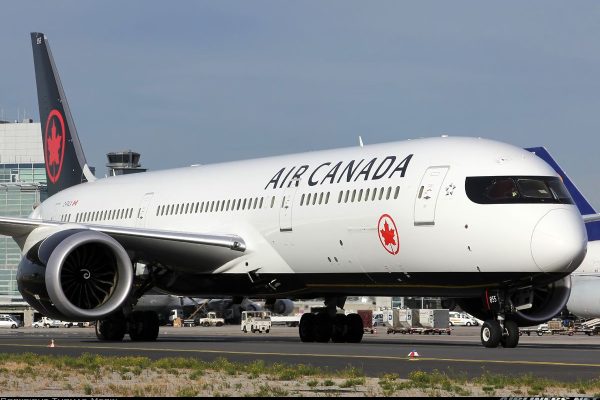
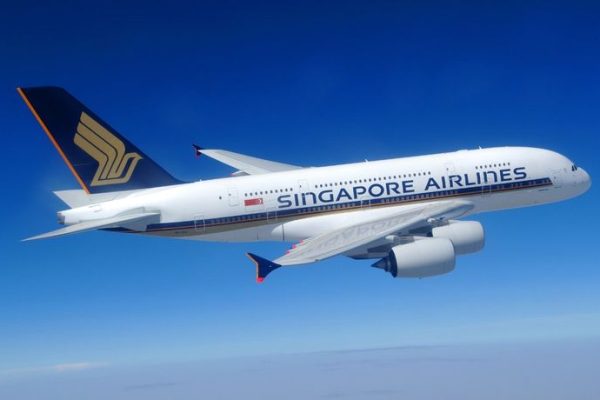
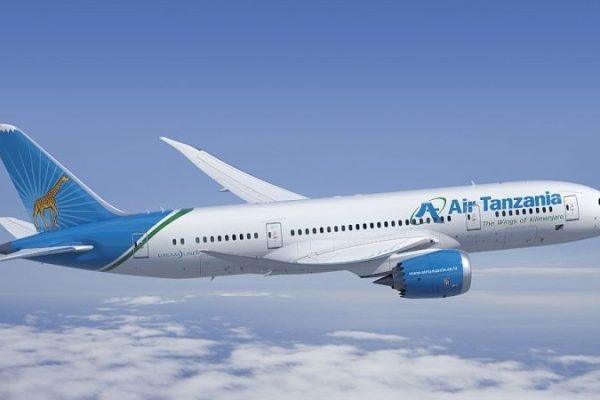
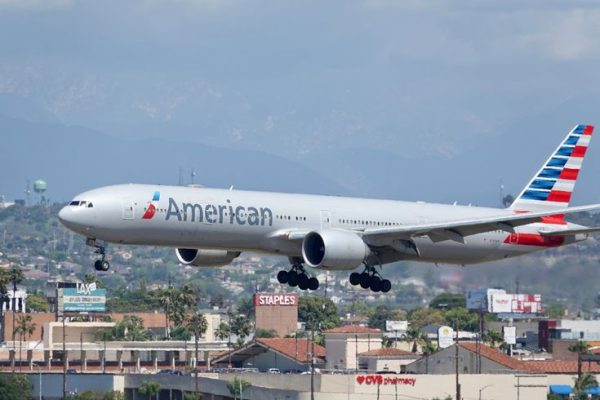
The Gulf region serves as a critical crossroads between Europe, Asia, Africa, and Australia, meaning any disruption quickly spreads through international airline networks. Flights operated by leading carriers have faced delays, diversions, and longer flight times as aircraft are redirected around conflict zones.
Aviation analysts warn that prolonged restrictions could increase operating costs due to additional fuel burn, crew scheduling challenges, and reduced aircraft utilization. Airlines are also monitoring passenger demand closely as travelers reconsider routes through the region.
Authorities continue to emphasize that passenger safety remains the highest priority, with airspace decisions being reviewed continuously based on the evolving security situation.
As geopolitical tensions remain high, the aviation industry faces another significant operational challenge, highlighting how rapidly regional conflicts can impact global air travel.