
U.S. Airline Employment Edges Higher as Cargo Hiring Offsets Passenger Airline Job Cuts
U.S. Airline Employment Edges Higher as Cargo Hiring Offsets Passenger Airline Job Cuts
WASHINGTON, D.C. — 16 October 2026
Employment across the United States airline industry increased slightly in August, as strong recruitment by cargo carriers more than offset job losses among passenger airlines, according to new figures released by the U.S. Bureau of Transportation Statistics (BTS).
The combined passenger and cargo airline workforce reached 1,038,900 employees in August 2026, an increase of 933 workers, or 0.09%, compared with July. The modest improvement follows a period of employment losses across the industry.
However, the figures reveal a growing difference between the passenger and air cargo sectors, with cargo operators providing the strongest contribution to overall job growth.
Cargo Airlines Lead Employment Growth
U.S. cargo airlines employed 480,518 workers in August, accounting for approximately 46% of the combined airline workforce. The sector added 2,548 employees during the month, with FedEx accounting for 2,536 of those additional jobs.
The figures highlight the importance of cargo operations to the aviation industry’s employment performance, as freight carriers continue to support a substantial share of the sector’s workforce.
Passenger Airlines Record Job Losses
Scheduled-service passenger airlines, meanwhile, employed 553,911 workers in August, representing approximately 54% of total industry employment. Despite remaining the larger employment segment, passenger carriers collectively lost 1,648 employees during the month.
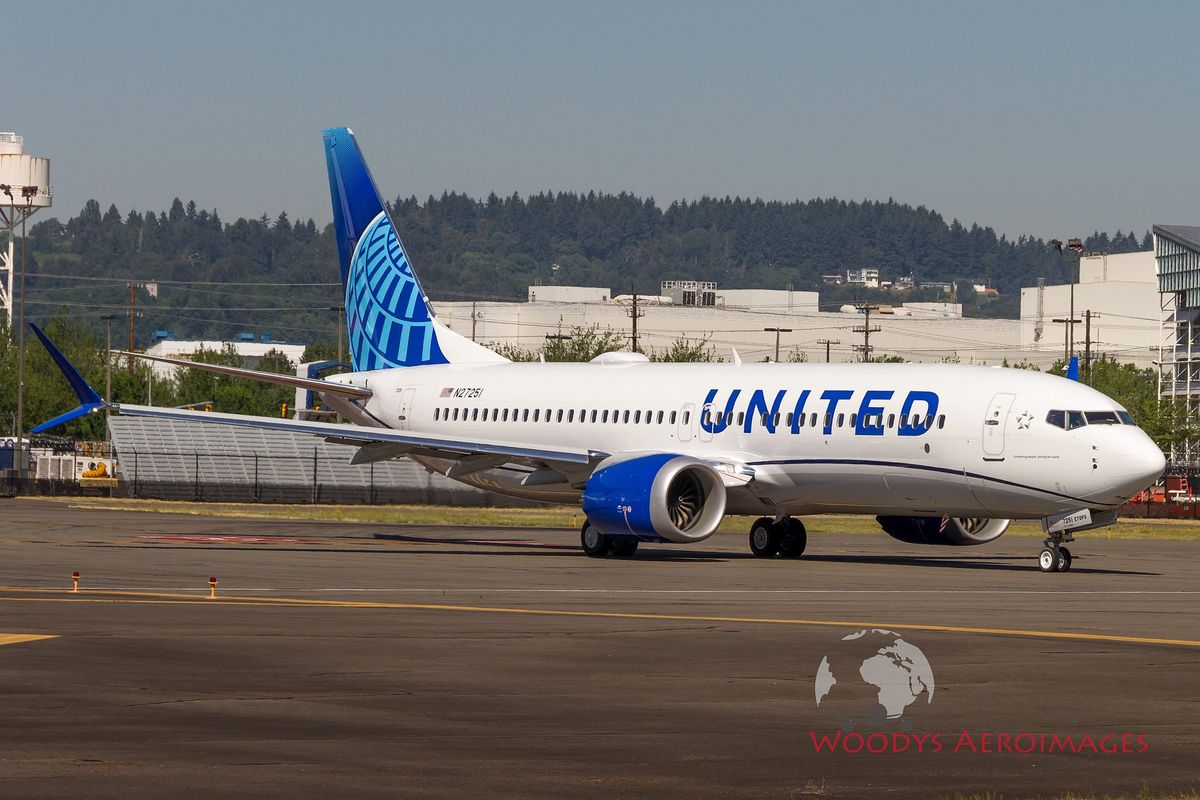
Some airlines continued to expand their workforces. United Airlines added 237 employees, while Breeze Airways added 125 and PSA Airlines increased its workforce by 50.
Nevertheless, these gains were insufficient to offset the broader reduction in passenger airline employment.
Full-Time Equivalent Figures Reveal a Mixed Picture
Despite the increase in total headcount, the industry’s full-time equivalent employment declined slightly. BTS reported 892,926 full-time equivalent employees in August, down 96 from July.
Passenger airlines recorded a reduction of 1,500 full-time equivalents, while cargo airlines added 1,370. This suggests that the overall increase in employee numbers did not translate into an equivalent rise in total working hours.
What It Means for the Aviation Industry
The latest figures underline how differently passenger and cargo airlines are performing in terms of employment. While cargo carriers supported overall workforce growth in August, passenger airlines continued to experience staffing reductions.
The data does not, on its own, establish the reasons behind the changes or indicate whether passenger airline employment will continue to decline in the coming months.
The Bureau of Transportation Statistics is scheduled to release its next airline employment update on 9 November 2026.