Iranian Airlines Face New International Restrictions as U.S. Sanctions Take Effect
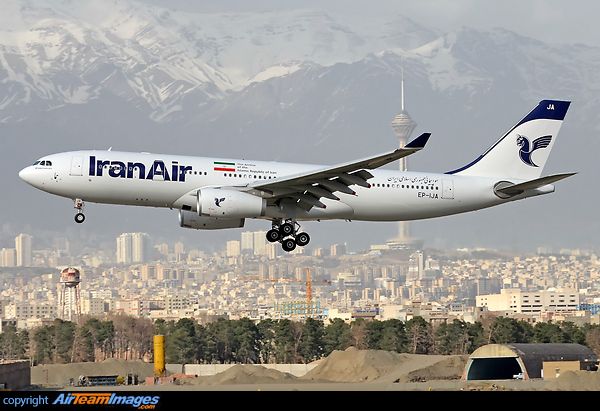
TEHRAN — September 23, 2026 — Iranian airlines are facing growing international restrictions as new U.S. sanctions targeting the country’s aviation sector begin to affect access to airports and aviation services.
Flights from Iran to Baghdad, Iraq, and Muscat, Oman, have been cancelled, with the restrictions taking effect from midnight on September 23. Iran’s Civil Aviation Organization said Baghdad and Muscat airports would no longer accept Iranian flights, while authorities were working to explore alternative arrangements.
For flights previously destined for Baghdad, Iranian authorities have been discussing the possibility of redirecting services to Najaf, another major Iraqi airport that is particularly important for Iranian travellers visiting religious sites in Iraq.
The cancellations come after the U.S. Department of the Treasury announced new sanctions on September 8, targeting 36 individuals and entities connected to Iran’s aviation sector. Washington says the measures are aimed at networks it alleges support the movement of weapons, personnel and illicit cargo, as well as efforts to obtain aircraft and aviation technology.
The latest measures go beyond targeting Iranian airlines directly. U.S. officials have warned foreign companies providing services to sanctioned Iranian carriers—including fuel, ground handling and other aviation support services—that they could face secondary sanctions. This creates additional difficulties for Iranian airlines operating internationally.
Despite the growing restrictions, Iranian aviation authorities have indicated that not all international services have stopped. Flights to destinations including Istanbul were reported to remain scheduled, while Iranian airlines have continued operating some international services following the sanctions deadline.
The impact is expected to vary from route to route depending on whether airports, fuel suppliers, ground handlers and other aviation companies are willing or able to continue supporting Iranian carriers.
For passengers, the situation could mean route changes, cancellations and fewer international travel options, particularly on routes involving countries that choose to comply with the new U.S. sanctions.
The developments represent another challenge for Iran’s aviation industry, which has already operated under extensive international restrictions for years. Airlines must now navigate not only aircraft and financial constraints, but also increasingly complicated access to foreign airports and aviation services.
Flytechnews will continue monitoring the situation as airlines and airports respond to the latest restrictions.