Major U.S. Flight Disruption After FAA Communications Failure
Thousands of passengers across the United States faced major travel disruption on Monday, September 21, after a communications failure at a key Federal Aviation Administration (FAA) air-traffic-control facility triggered widespread delays, cancellations and flight restrictions across the Northeast.
The disruption affected some of the busiest airports in the country, including Newark Liberty International Airport, John F. Kennedy International Airport, LaGuardia Airport, Philadelphia International Airport and Boston Logan International Airport.
According to FlightAware data reported during the incident, approximately 7,000 flights were delayed or cancelled across the United States, with the three major New York-area airports accounting for a significant share of the disruption.
Communications failure triggers ground stops
The problem originated at the FAA’s Philadelphia Terminal Radar Approach Control (TRACON) facility, which manages air traffic in a busy section of the U.S. Northeast.
The facility experienced a failure affecting its primary communications circuit. When controllers attempted to rely on the backup system, they discovered that a backup fibre-optic line in New Jersey had also been severed.
Officials said the backup line was accidentally damaged during construction work, leaving the facility without the communications capability needed to safely manage aircraft in the affected airspace.
With air-traffic controllers unable to maintain normal radar and communications capabilities, the FAA imposed ground stops and restrictions on incoming flights.
Newark was among the hardest-hit airports, with hundreds of flights cancelled and significant numbers of additional delays. Philadelphia, JFK and LaGuardia were also heavily affected, while Boston Logan experienced hundreds of delays and dozens of cancellations.
Newark particularly affected
Newark Liberty International Airport, a major hub for United Airlines, experienced severe disruption.
At various points during the outage, incoming flights were halted and aircraft were either held at their departure airports or diverted to alternative airports.
Flight-tracking data showed substantial delays at Newark, with the disruption spreading through airline networks as aircraft and crews became displaced.
United Airlines said affected passengers were being offered flexibility to change their travel arrangements as the airline worked with the FAA to restore normal operations.
Ripple effects across the Northeast
The impact extended well beyond the airports directly affected by the FAA restrictions.
When flights are delayed or cancelled at major hubs such as Newark, JFK, LaGuardia and Philadelphia, the consequences can spread rapidly through the wider airline network.
Aircraft may arrive late for their next scheduled flights, while crews and passengers can also become stranded away from their planned locations. This can create additional delays even after the original technical problem has been resolved.
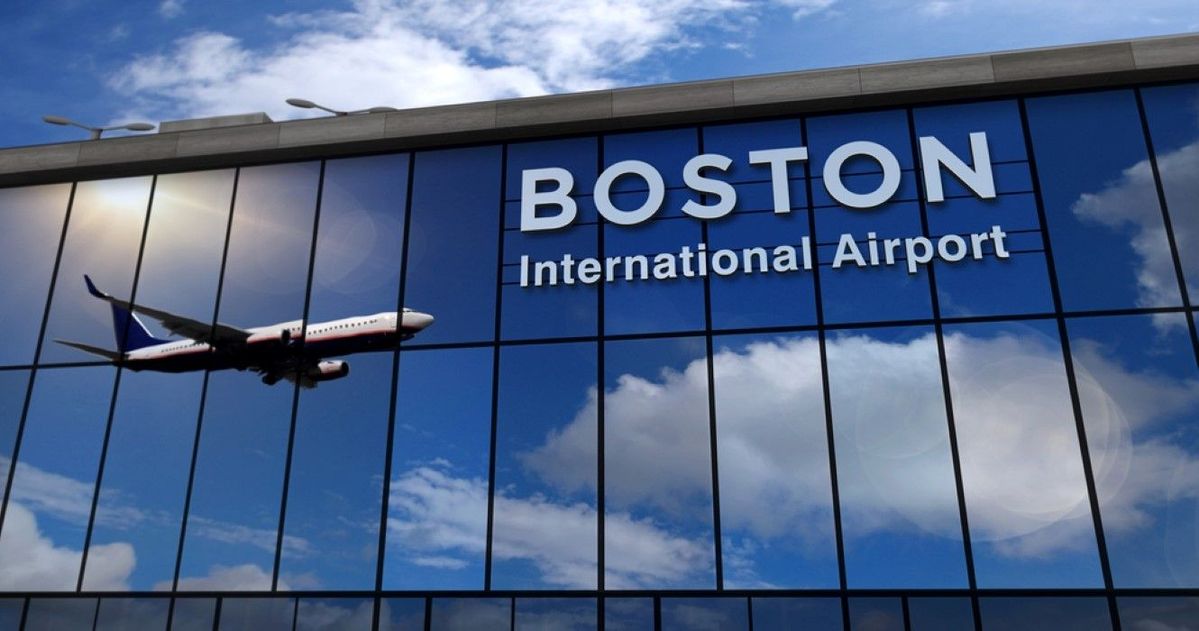
Boston Logan was also affected by the disruption, with FlightAware reporting more than 400 delayed flights and around 70 cancellations by Monday evening.
Service gradually restored
FAA officials and telecommunications technicians worked to restore the damaged systems throughout Monday.
By the evening, officials said the primary and backup communications lines had been repaired and operations were returning to normal across the affected airports.
However, passengers were warned that delays could continue as airlines worked through the backlog created by the outage.
The FAA advised travellers to check their flight status with their airline before travelling to the airport.
Infrastructure concerns return to the spotlight
The incident has renewed attention on the condition of America’s air-traffic-control infrastructure.
The Philadelphia facility has experienced communications problems before, including disruptions that affected Newark in 2025. The latest incident demonstrated how the failure of a primary system, combined with damage to a backup connection, can have consequences across a large section of the national aviation network.
The U.S. Congress previously approved $12.5 billion for improvements to the country’s air-traffic-control system and increased controller hiring. The latest outage has again highlighted the importance of modernising communications and other critical aviation infrastructure.
A difficult day for U.S. travellers
The disruption came at an especially busy time for New York, with world leaders and government officials arriving for the United Nations General Assembly.
Although the FAA’s technical problems were eventually resolved, the effects continued to ripple through airline schedules as airports worked to clear the backlog.
For thousands of passengers, what began as a communications failure at a single air-traffic-control facility turned into hours of delays, cancellations, diversions and disrupted travel plans across one of the world’s busiest aviation corridors.
Flytechnews will continue to monitor developments as airlines and airports return to normal operations.