


Cuba’s Jet Fuel Crisis Grounds Flights and Deepens Aviation Uncertainty
Cuba’s aviation sector is facing growing disruption as a deepening jet fuel shortage continues to affect flight operations, forcing airlines to reduce schedules, adjust routes, and rely on emergency fuel arrangements.
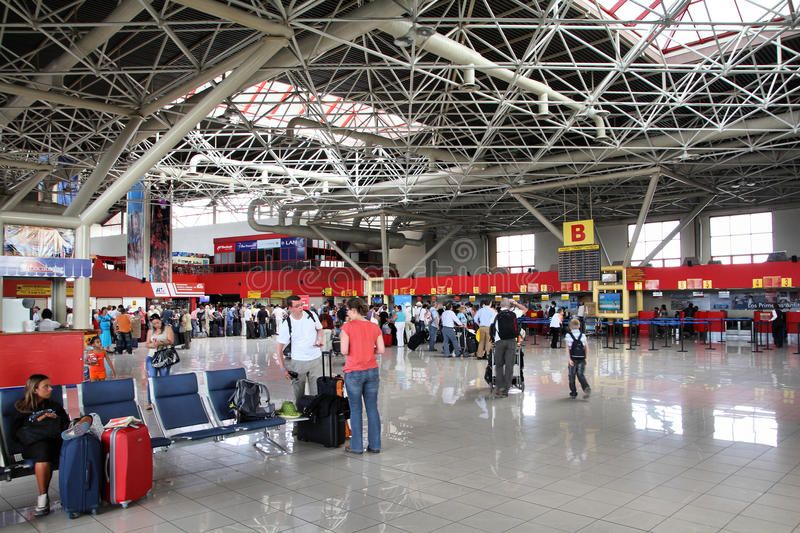
The fuel crisis, driven by severe foreign currency shortages and reduced fuel imports, has left Cuban airports struggling to guarantee consistent supplies of Jet A-1 fuel. Havana’s José Martí International Airport, along with regional airports in Varadero, Santiago de Cuba, and Holguín, has been among those impacted.
Several international airlines have been compelled to tanker fuel from their departure airports — carrying extra fuel onboard to avoid refuelling in Cuba — a practice that increases aircraft weight, fuel burn, and operating costs. Some carriers have quietly reduced frequencies or suspended certain routes altogether, citing operational and financial challenges.
Domestic airline Cubana de Aviación has been hit particularly hard. The state-owned carrier has faced repeated flight delays and cancellations as limited fuel availability disrupts schedules, further weakening passenger confidence in the national airline.
Industry analysts point to Cuba’s broader economic crisis as the root cause. With limited access to foreign exchange, the government has struggled to secure fuel imports on the international market. U.S. sanctions, aging energy infrastructure, and declining support from traditional fuel suppliers have compounded the situation.
Tourism — a vital pillar of Cuba’s economy — is also feeling the impact. Flight disruptions risk deterring international visitors at a time when the country is attempting to revive tourist arrivals following years of pandemic-related losses.
Aviation experts warn that unless Cuba stabilises its fuel supply chain, airlines may continue to reassess their exposure to the market. For now, passengers travelling to and from the island are advised to monitor flight status closely, as operational disruptions are likely to persist in the coming months.