

Over 300 Flight Cancellations and Thousands of Delays Trigger Widespread Travel Chaos Across the U.S.
Air travelers across the United States are facing significant disruption after more than 307 flights were canceled and over 5,500 delayed, creating ripple effects at major airports from Denver to Orlando.
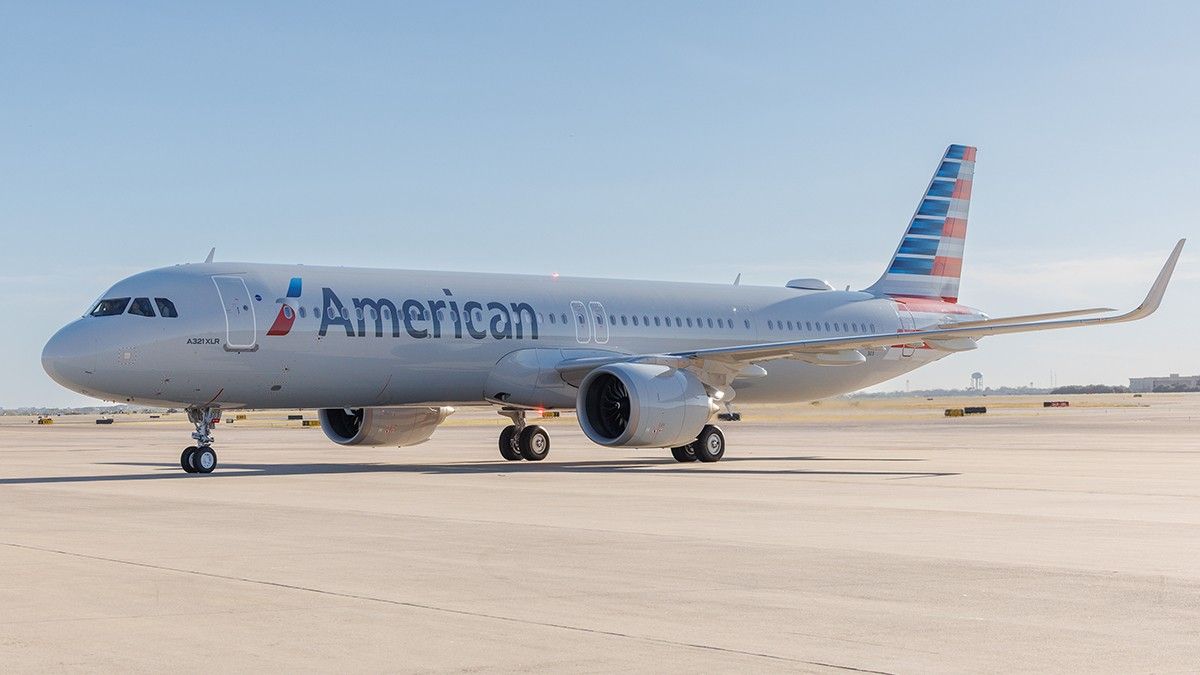
Airlines including SkyWest Airlines, Southwest Airlines, Spirit Airlines, United Airlines, Alaska Airlines, JetBlue Airways, and Endeavor Air have all been impacted as severe weather conditions and operational constraints strain networks nationwide.
Major Hubs Hit Hard
One of the hardest-hit airports has been Denver International Airport, where winter weather and strong winds disrupted schedules throughout the day. Mountain destinations such as Aspen/Pitkin County Airport also experienced cascading cancellations, particularly affecting regional connections.
On the West Coast, Los Angeles International Airport reported hundreds of delays as inbound aircraft arrived late from other parts of the country. Meanwhile, Orlando International Airport saw congestion build rapidly as storms and air traffic control flow restrictions slowed departures and arrivals.
Smaller markets were not spared. Airports such as Billings Logan International Airport and Buffalo Niagara International Airport faced operational bottlenecks, particularly on regional routes operated by SkyWest and Endeavor Air.
Network Ripple Effects
Airline networks are highly interconnected, meaning disruptions in one hub can quickly spread nationwide. Aircraft and crew displacement, combined with tight turnaround times, amplified delays across multiple time zones.
For ultra-low-cost carriers like Spirit and JetBlue, the impact was especially noticeable due to high aircraft utilization rates. Meanwhile, legacy operators such as United and Alaska Airlines worked to re-accommodate passengers and adjust schedules to stabilize operations.
Passenger Impact
Thousands of travelers reported missed connections, extended layovers, and long customer service lines. Airlines encouraged passengers to check flight statuses before heading to the airport and offered flexible rebooking options in affected regions.
While weather remains the primary driver behind the disruptions, airlines are working overnight rotations and recovery schedules to minimize continued delays in the coming days.
With peak travel demand still strong, industry observers note that even brief weather systems can create outsized operational challenges across the national airspace system.